How a Freestyle Type Beat in 2026 Turns a Single Hard Flow Into a Finished Track
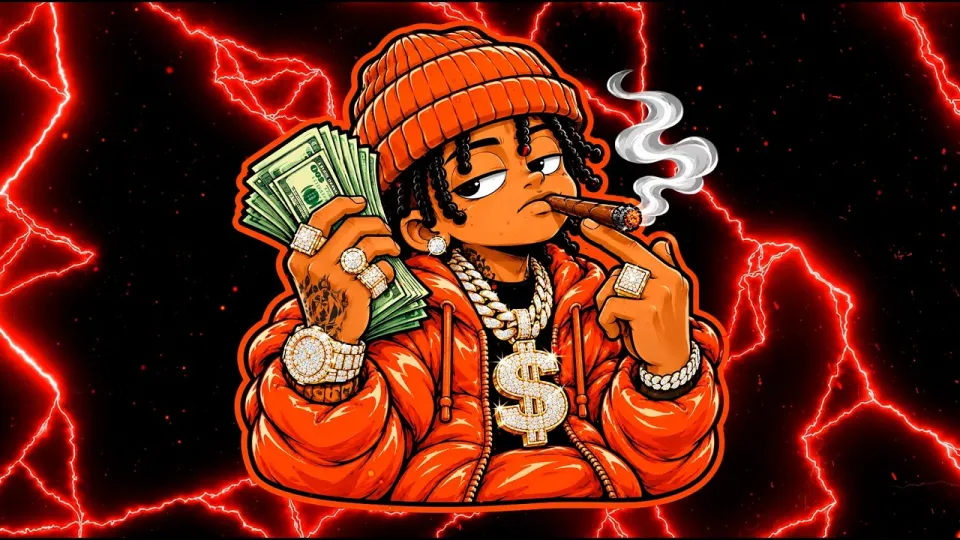
Video: FREESTYLE TYPE BEAT - ''I HAVE HARD FLOW'' | Trap Instrumental 2026 | Rap Type Beat
Need articles like this for your video? They help promote it on YouTube and Google — order them in the Telegram bot @sat_sit_bot. It writes articles around your video, embeds the video and publishes them on popular niche websites (no ads). Your first 50 articles are free.
· based on the channel Rey Pandora Beats
Key takeaways
- Rey Pandora Beats released the freestyle trap instrumental "I Have Hard Flow" on 19 October 2026.
- The channel reports 800K subscribers and is aiming for 900K.
- Free use of the beat is allowed only for non-monetized projects with producer credit.
- Monetization on YouTube, Spotify, Apple Music or iTunes requires a purchased commercial license.
- Licenses and the full beat catalog are sold through the producer's BeatStars store.
A freestyle type beat is a rap instrumental built with an open, repeating structure so a vocalist can write and record without rearranging the music — and the hard trap instrumental "I HAVE HARD FLOW" from Rey Pandora Beats is a working example of that format, published on 19 October 2026. It is a single loop-driven track designed to carry a punchy, aggressive flow from bar one, and it can be licensed for release through the producer's BeatStars beat store.
What a freestyle type beat actually is
A freestyle type beat is an instrumental that keeps its harmonic and rhythmic pattern stable for long stretches, so the rapper's delivery — not the arrangement — carries the track. Producers label these beats "freestyle" because the structure leaves room for long verses, quick punch-ins and on-the-spot writing sessions, unlike a full song beat with a distinct hook section, bridge and drop.
In practice the format has three defining traits:
- A short melodic loop, usually two to four bars, repeated with minimal variation.
- A drum pattern that stays consistent so the artist can lock a cadence and keep it.
- A clear low end and a sparse mid-range, which leaves space for the vocal.
The "type beat" label is a search convention rather than a genre: producers describe the sound by referencing established artists so rappers looking for a particular pocket can find it. A hard freestyle type beat sits on the aggressive end of that spectrum — heavier drums, darker melodic elements, more attack.
Inside the hard trap sound of "I HAVE HARD FLOW"
"I HAVE HARD FLOW" is a trap instrumental pitched at rappers who want an aggressive, high-energy delivery. The title itself signals the intent: a beat that rewards dense, hard-hitting flows rather than melodic crooning.
What the format implies for the vocalist:
- The beat is designed as a rap type beat, so the writing priority is cadence and rhyme density, not hooks.
- Trap production conventions dominate: programmed drums, sub-heavy 808 bass and a dark melodic loop.
- Because it is a freestyle instrumental, the same section can carry 16, 32 or more bars without a structural change forcing a switch-up.
- The aggressive character suits battle-style verses, drill-adjacent flows and punchline-heavy writing.
Rey Pandora Beats publishes the track under both English and Spanish tags — "type beat" and "base de trap" — which reflects a bilingual audience of Spanish-speaking and English-speaking rappers recording over the same instrumentals.
How to record on a freestyle type beat step by step
Recording on a freestyle beat is a workflow, not a single take. The following sequence keeps the session efficient and the result usable.
- Import the instrumental into your DAW at its original tempo and set the project to that tempo before recording anything.
- Loop an eight-bar section and freestyle over it for five to ten minutes without stopping, capturing everything.
- Listen back and mark the bars where the flow locks in; those become the skeleton of the verse.
- Write the verse around the strongest moments, keeping the syllable count consistent with the pocket you found.
- Record the final take in short punch-ins of two to four bars rather than one long pass, so timing stays tight.
- Double or ad-lib only the line endings, leaving the main vocal clean and forward in the mix.
The main mistake in freestyle sessions is fighting the beat: if the drums are hard and the loop is sparse, the vocal should sit on top of the rhythm rather than compete with the low end. Keep the vocal chain modest — compression, light saturation, and a short reverb for depth.
Free use versus commercial license on a type beat
Rey Pandora Beats sets clear terms, and they matter before you upload anything. Free use covers YouTube videos and personal projects that are not monetized, provided the producer is credited as Rey Pandora Beats in the description or credits. Commercial use — monetized YouTube videos or distribution on Spotify, Apple Music, iTunes and similar platforms — requires a purchased commercial license.
That distinction is the most common source of confusion for new artists, so it is worth stating plainly:
- Non-monetized video with credit: allowed at no cost.
- Monetized video, streaming release or paid project: license required.
- Credit must name the producer, not just link the beat.
Licenses are bought directly from the producer's store, which is also where the wider catalog of trap and rap instrumentals is listed.
Questions rappers ask before using a hard type beat
Viewers of hard trap instrumentals tend to raise the same practical points, and they are worth answering before a session starts.
Can I change the beat? Trimming an intro, adding a hook section or adjusting the arrangement is normal practice, but the underlying license still governs how the result can be released. Check the terms before you alter structure for a commercial release.
What if I only post a snippet? A short clip on social media is still a use of the instrumental. Credit the producer, and treat monetized content the same as a full release.
Is the beat exclusive? Type beats are typically sold as non-exclusive licenses to multiple artists unless an exclusive deal is negotiated separately. If exclusivity matters for your rollout, ask before recording.
Does the visual matter? The artwork and video presentation are part of the producer's brand, not a guide to the sound. Judge the instrumental by its drums, tempo and space for the vocal.
Where to find the beat and the producer's catalog
All official links for this release and the surrounding catalog:
- Beat store and licensing: https://reypandorabeatsoff.beatstars.com/
- Instagram: @rey.pandora
- Contact email: papapandorabeat@gmail.com
The channel also points listeners to a dedicated playback link for the beat in the video description, and it tracks its audience openly: the producer reports 800K subscribers and a push toward 900K.
Final thoughts on picking a freestyle type beat
A freestyle type beat earns its name by staying out of the rapper's way, and "I HAVE HARD FLOW" is built for exactly that: a stable trap loop, heavy drums and room for an aggressive delivery. Rey Pandora Beats, the producer behind the video breakdown, keeps the terms simple — credit for free non-monetized use, a paid license for anything monetized or distributed. If the sound fits your writing, start with a freestyle pass over the loop, then decide whether the track is worth a release. When it is, pick up the license through the Rey Pandora Beats store before you upload.
Questions & answers
Can I use a freestyle type beat for free on YouTube?
Yes, if the video is not monetized and you credit the producer in the description or credits. Rey Pandora Beats allows free use of this beat for non-monetized YouTube videos and personal projects. Any monetized upload requires a commercial license.
Do I need a license to release a song on Spotify with this beat?
Yes. Distribution on Spotify, Apple Music, iTunes and similar platforms counts as commercial use and requires a purchased license. Buy it from the producer's BeatStars store before scheduling the release.
What tempo and structure should I expect from a hard trap type beat?
Expect a short repeated melodic loop, a consistent programmed drum pattern and a sub-heavy 808 bass line, with a structure stable enough for long verses. That consistency is what makes it a freestyle instrumental rather than a full song arrangement.
How do I credit the producer correctly?
Name Rey Pandora Beats as the producer in the video description or the track credits, for example "Prod. Rey Pandora Beats". A credit is required for free use and is good practice on licensed releases too.
Source: FREESTYLE TYPE BEAT - ''I HAVE HARD FLOW'' | Trap Instrumental 2026 | Rap Type Beat · Markdown version